
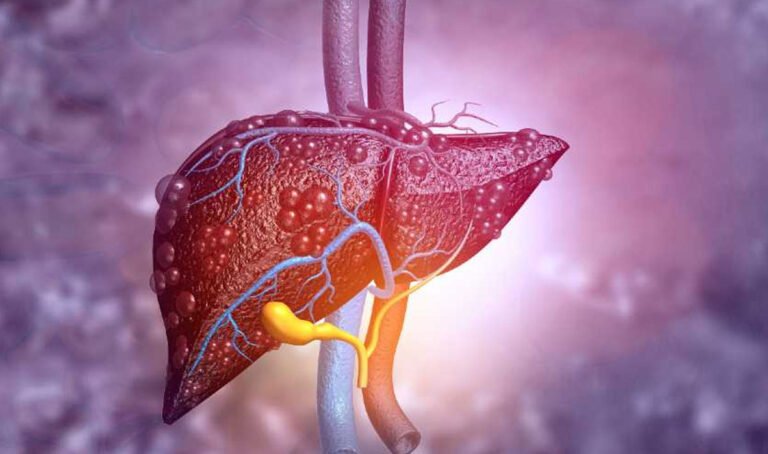
What Is Liver Transplant Surgery?
Liver transplant surgery is a life-saving procedure in which surgeons replace a diseased liver with a healthy donor liver. Doctors recommend this treatment for patients with end-stage liver disease, acute liver failure, or certain liver cancers when other treatment options are no longer effective. Dr. Divakar Jain provides advanced liver transplant surgery using a patient-centered approach to improve long-term health, liver function, and overall quality of life.

Blood group compatibility chart for liver transplant
Who Needs Liver Transplant Surgery?
Who Needs Liver Transplant Surgery?
The liver has a remarkable ability to regenerate after injury caused by substance abuse, infections, metabolic disorders, poisoning, or other conditions. However, repeated or severe damage can reduce its ability to heal, leading to scar tissue formation. This condition is known as chronic liver disease. As the scarring progresses, liver function gradually declines and begins to affect other organs in the body. Doctors refer to this stage as decompensated liver disease. When the liver can no longer perform its essential functions, liver transplant surgery may become the most effective treatment option.
The common conditions that may require liver transplant surgery include:
- Refractory ascites – Fluid accumulation in the abdomen that does not respond to medication and requires repeated drainage.
- Recurrent hepatic encephalopathy – Repeated episodes of confusion, altered consciousness, or coma caused by high ammonia levels in the blood.
- Spontaneous bacterial peritonitis – A serious infection of the fluid collected in the abdomen.
- Hepatorenal syndrome – Kidney failure that develops as a result of severe liver disease.
- Recurrent gastrointestinal (GI) bleeding – Bleeding from vomiting or stools caused by increased pressure in the liver’s blood vessels, which cannot be controlled through endoscopic treatment.
- Acute liver failure – A sudden loss of liver function that requires immediate medical attention.
- Acute-on-chronic liver failure (ACLF) – A rapid deterioration of an already damaged liver, often leading to failure of multiple organs.
- Hepatocellular carcinoma (Liver Cancer) – The development of liver cancer in patients with liver cirrhosis.
Types of Liver Transplant Surgery
There are two main types of liver transplant surgery, depending on the source of the donor liver.
1. Living Donor Liver Transplant
In a living donor liver transplant, a healthy family member or a compatible donor donates a portion of their liver. Both the donor’s and the recipient’s livers regenerate naturally over time, making this a safe and effective treatment option for many patients.
2. Deceased Donor Liver Transplant
A deceased donor liver transplant uses a liver donated by a brain-dead individual whose family has consented to organ donation. Patients must register on the state organ transplant waiting list to become eligible for a deceased donor liver transplant.
Pre-Transplant Evaluation

Before liver transplant surgery, doctors perform a comprehensive pre-transplant evaluation to determine whether the patient is medically fit for the procedure. This assessment includes detailed blood tests, imaging studies, and overall health screening.
The blood tests include blood group testing, complete blood count (CBC), liver function tests, kidney function tests, tumour markers, and viral marker tests. Depending on individual medical needs, doctors may also recommend additional investigations, such as autoimmune marker tests or tests for Wilson’s disease.
Radiological investigations may include a chest X-ray, abdominal ultrasound, liver Doppler, CT scan, MRI, and, in selected cases, a high-resolution CT (HRCT) scan of the chest.
In addition, doctors evaluate patient’s heart and lung function before surgery. Specialists such as cardiologists, pulmonologists, anesthetists, psychiatrists, and, when required, gyn ecologists also assess the patient. For a living donor liver transplant, doctors carefully evaluate the donor to ensure the procedure is safe for both the donor and the recipient. Read more about Fatty Liver Disease
Liver Transplant Surgery Procedure
Liver transplant surgery is a highly complex procedure that requires an experienced surgical team and careful coordination. The donor and recipient surgeries take place simultaneously in separate operating rooms. During the procedure, the surgical team removes the donor liver and prepares it for transplantation. At the same time, the surgeons carefully remove the recipient’s diseased liver. Once the donor liver is ready, the surgeon places it into the recipient’s body and connects the hepatic vein, portal vein, hepatic artery, and bile duct to the recipient’s blood vessels and bile duct. The entire liver transplant surgery usually takes 10–12 hours, depending on the complexity of the case.


Recovery After Liver Transplant Surgery
After liver transplant surgery, the recipient usually stays in the Intensive Care Unit (ICU) for 5–7 days. The total hospital stay is typically 2–3 weeks, depending on the patient’s recovery and overall health. In a living donor liver transplant, the donor usually remains in the hospital for 6–8 days. Most living donors recover well and do not experience significant long-term health problems. In addition, both the donor’s and the recipient’s livers regenerate naturally and usually return to near-normal size within 2–3 months.
Living with a Liver Transplant
After liver transplant surgery, doctors prescribe a combination of immunosuppressant medicines to prevent the body’s immune system from rejecting the new liver. Over time, doctors gradually reduce the number and dosage of these medicines. In most cases, patients continue taking only one medicine, usually Tacrolimus, after the first year. However, patients should take this medicine for life and should never stop or change the dosage without consulting their doctor.
Early Post-Transplant Recovery
Most patients stay in the hospital for 2–3 weeks after liver transplant surgery, including an ICU stay of approximately 5–7 days. During the recovery period, doctors encourage patients to start walking by the second or third postoperative day. They also allow patients to drink liquids on the second or third day and gradually introduce solid food by the fourth or fifth postoperative day. Finally, doctors usually remove the surgical stitches within 2–3 weeks, depending on depending on individual recovery.
Follow-Up Visits
Patients should attend regular follow-up visits after being discharged from the hospital. Initially, doctors schedule these visits every week to closely monitor recovery. As patients recover, the follow-up visits become less frequent. After 3–6 months, doctors usually schedule follow-up appointments every 3–6 months for lifelong monitoring. During these visits, doctors perform routine blood tests and may recommend an abdominal ultrasound every 6–12 months to monitor liver health.
Long-Term Survival and Quality of Life
The overall success rate of liver transplant surgery is approximately 90–95%. The estimated one-year survival rate is 85–90%, while the five-year survival rate exceeds 70%. Most patients enjoy an excellent quality of life after a successful liver transplant. They can return to work, exercise regularly, participate in sports, and carry out their daily activities. Patients can also marry, have a normal family life, and plan for children if medically appropriate.
A transplanted liver does not have a fixed lifespan. Patients who take their medicines regularly, attend follow-up appointments, complete recommended tests, and follow their doctor’s advice can enjoy a long and healthy life with a good quality of life.
Medicines After Liver Transplant Surgery
One of the most common complications after liver transplant surgery is rejection of the transplanted liver by the recipient’s immune system. To reduce this risk, doctors prescribe immunosuppressant medicines that help prevent the immune system from attacking the transplanted liver.
Doctors usually prescribe a combination of two or three immunosuppressant medicines immediately after the transplant. Over time, they gradually reduce both the number and dosage of these medicines. After the first year, most patients continue taking one or two medicines for life. Commonly prescribed immunosuppressants include Tacrolimus, Cyclosporine, Mycophenolate Mofetil, Everolimus, Sirolimus, and steroids. Patients should take these medicines exactly as prescribed and should never stop or change the dosage without consulting their doctor.
What If a Blood Group-Matched Donor Is Unavailable?
Liver transplant surgery usually requires blood group compatibility between the donor and the recipient. However, if a suitable blood group-matched donor is not available within the family, patients still have several treatment options. The following alternatives can help eligible patients receive a successful liver transplant.
1. Deceased Donor Liver Transplant
Patients can register on the state organ transplant waiting list to receive a liver from a brain-dead donor whose family has consented to organ donation. Once a suitable donor becomes available, doctors allocate the organ according to the transplant waiting list and medical eligibility.
2. ABO-Incompatible Liver Transplant
In selected cases, doctors can perform liver transplant surgery even when the donor and recipient have different blood groups. Although this procedure may increase the overall treatment cost, it offers an effective option when no compatible donor is available. Before the transplant, doctors prescribe medicines to reduce the immune response. Some patients may also require plasma exchange before and after surgery to lower the risk of transplant rejection.
3. Swap Liver Transplant
A swap liver transplant is another option when two families have incompatible blood groups. In this procedure, the donor from Family A donates a portion of the liver to the compatible recipient in Family B, while the donor from Family B donates to the compatible recipient in Family A. Surgeons perform all donor and recipient surgeries simultaneously to ensure the safety and success of the transplant.

Swap Liver Transplant